
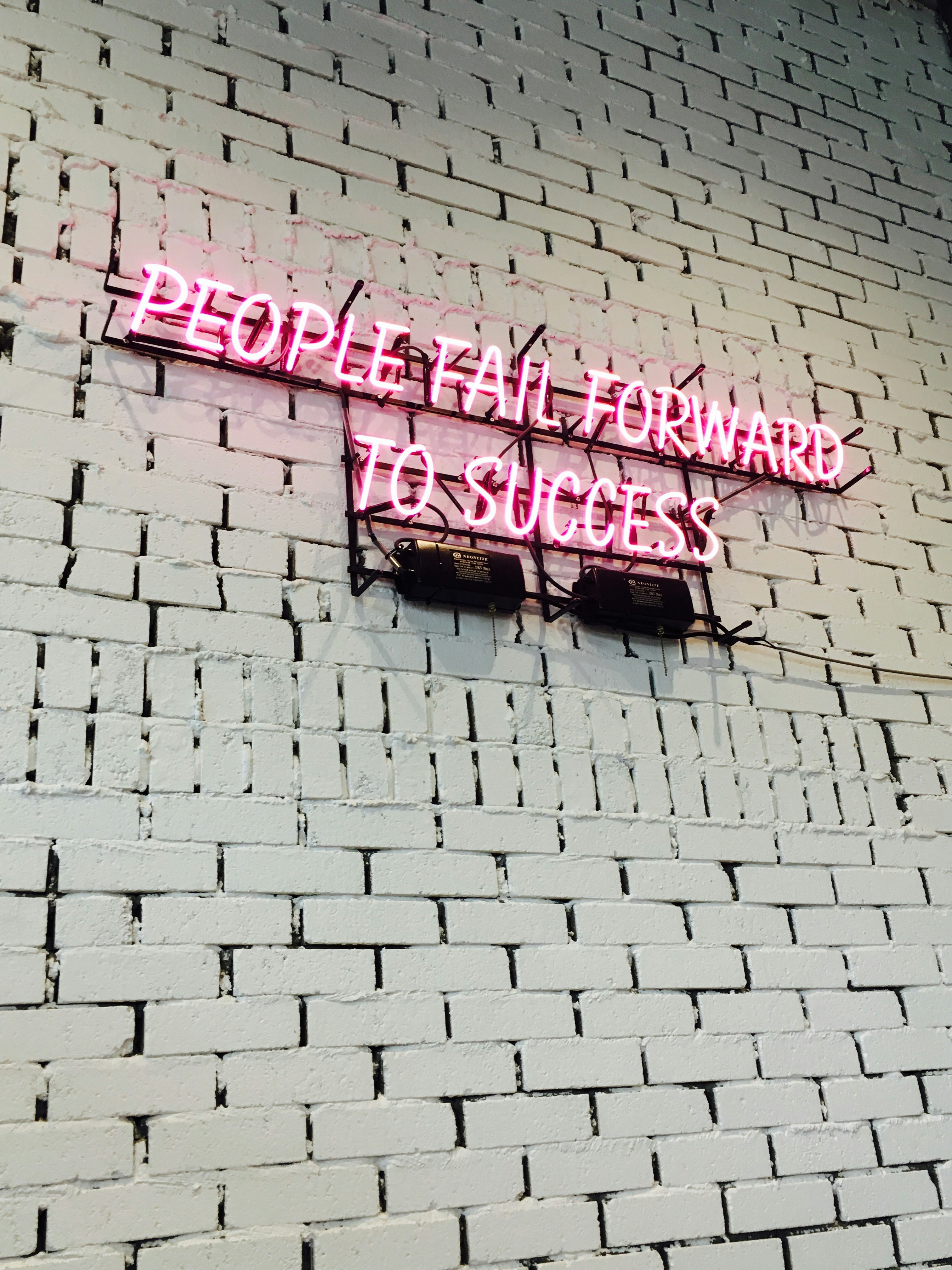
Understanding the Connection Between Failure and Growth
Failure is often perceived negatively, as an inability to achieve the desired results or goals. However, it is essential to recognize that failure is a natural part of the human experience. It serves as an invaluable catalyst for personal growth and development. Throughout history, numerous individuals have demonstrated that setbacks often become the foundation for future successes. By embracing failure, we can foster resilience, learn from our mistakes, and ultimately achieve a more profound understanding of ourselves.
The relationship between failure and growth is multifaceted. When individuals experience failure, they are often compelled to introspect and reassess their strategies and motivations. This critical self-reflection can lead to enhanced problem-solving skills and a more robust approach to overcoming obstacles. Additionally, failure teaches important life lessons that success alone cannot impart. It instills humility, encourages perseverance, and cultivates empathy for others navigating similar challenges.
Moreover, accepting failure as an unavoidable aspect of life can help reduce the stigma surrounding it. Instead of fearing failure, viewing it as an opportunity for wisdom and personal evolution can transform one’s perspective. In various fields, including education, business, and the arts, a culture that celebrates experimentation and learning from setbacks can lead to increased innovation and collaboration.
As we journey through life, acknowledging the role of failure in shaping who we are becomes imperative. This understanding not only helps individuals confront their fears but also promotes a mindset that values growth over perfection. By embracing the idea that failure is an integral part of the path to success, we can create a more supportive environment where individuals feel encouraged to take risks and pursue their dreams.
Meet the Protagonist
In this narrative, we are introduced to Amelia, a determined young woman hailing from a small town, who has always been fueled by her dreams of becoming a renowned chef. From a young age, Amelia displayed a passion for cooking, often experimenting with various recipes in her grandmother’s kitchen. The tantalizing aromas wafting from the oven and the laughter shared over meals ignited her ambition to pursue a culinary career. With culinary school as her goal, she dedicated herself to honing her culinary skills, believing that success was merely a recipe away.
Amelia perceives failure as a formidable adversary on her journey. It is not just an event but a complex emotion intertwined with fear and uncertainty. In her pursuit of excellence, she has faced numerous challenges that have tested her resolve. Each time her dishes did not meet her expectations or she received critique from experienced chefs, she grappled with feelings of inadequacy. However, these experiences have also shaped her understanding of failure, allowing her to view it not as an endpoint but rather as an essential ingredient for growth.
This character’s story resonates with those who have faced the sting of disappointment, making her journey relatable. As she navigates the labyrinth of culinary aspirations and confronts the obstacles triggered by failure, readers are invited to connect with Amelia on a personal level. Her dreams and struggles encapsulate the essence of what it means to strive for greatness while embracing the lessons that come from setbacks. Thus, her story extends beyond the culinary world, evoking universal themes of perseverance and resilience.
The Climactic Moment of Failure
Failure is often seen as a disadvantage, a disruption in the anticipated flow of life. However, no one truly expects to experience failure, particularly when they have invested significant time and effort into their aspirations. The pivotal moment of failure can arrive abruptly; for some, it manifests as an unforeseen setback concocted by a range of factors—poor judgment, external circumstances, or even a simple miscalculation. This was the case for our character, who faced a critical juncture when everything seemed to unravel simultaneously.
As the reality of the situation shifted, so did the emotional landscape of our character. Initially, there was disbelief—a state of shock that rendered them momentarily paralyzed in the wake of their failure. Thoughts raced through their mind, ranging from self-doubt to regret, accompanied by a heavy sense of embarrassment. The internal struggle turned into an overwhelming burden, showcasing just how deeply personal ambitions can affect one’s sense of self-worth and identity.
The psychological impact was equally profound, with feelings of despair and anxiety setting in. Each passing moment served as a reminder of their inadequacies, intensifying an already turbulent emotional experience. The character faced questions that many individuals encounter during trying times: What went wrong? How did I fail to see this coming? Am I destined to repeat this pattern?
Simultaneously, the disappointment extended beyond the individual, reaching those who had invested hope and belief in the character’s journey. Supportive friends and family were left in a state of confusion, equally unsure of how to navigate the unexpected outcome. This moment not only revealed personal vulnerabilities but also underscored the interconnectedness of our experiences with those around us.
Ultimately, this climactic moment of failure serves as an essential part of the journey, evoking empathy from readers who may have faced their own setbacks. The emotional and psychological ramifications explored here highlight the complexity of failure and its role in personal growth, setting the stage for a transformative journey ahead.
The Spiral of Self-Doubt
Experiencing failure can often initiate a profound internal struggle, manifesting primarily as self-doubt. The individual may begin to question their abilities, skills, and overall worth, compounding the emotional turmoil by feeling trapped in a spiral of anxiety and shame. This spiral can be relentless, as one failure often leads to the harsh internal critique that fuels further insecurities. The impact of such self-doubt can distort how individuals perceive their strengths and capabilities, overshadowing their previous achievements and successes.
Furthermore, feelings of shame may accompany self-doubt, as the individual grapples with the cultural stigma surrounding failure. The need for social acceptance can exacerbate feelings of isolation, making it challenging to engage with friends and family. In such instances, the failed experiences may feel like a lens through which every aspect of their life is scrutinized. This layer of social pressure can further entrench one in a state of self-criticism.
As the character navigates through these overwhelming emotions, relationships can become strained. Friends and family may not fully understand the internal battles being faced, leading to a disconnect that fosters feelings of loneliness. It is important to acknowledge that the ramifications of failure extend beyond the individual; the network of relationships that surrounds them can also suffer as a result of their ongoing self-assessment and doubt.
Ultimately, addressing these issues involves recognizing the destructive cycle of self-doubt, accepting imperfections, and understanding that failure is a universal experience. Engaging in open dialogues about these feelings with trusted individuals can help not only to alleviate feelings of shame but also to mitigate the psychological impact of failure. Through these discussions, individuals can begin to dismantle the spiral of self-doubt and embark on the path toward healing and personal growth.
Finding Support and Perspective
In times of failure, the journey towards personal growth can feel overwhelming and isolating. However, seeking support from family, friends, or mentors can provide crucial comfort and insight. These relationships often serve as lifelines, offering not only encouragement but also fostering new perspectives on the challenges one faces.
The act of sharing one’s struggles with trusted individuals often lightens the emotional burden associated with failure. Family members, for instance, can offer unconditional support, reminding individuals that they are not defined by their setbacks. Friends, meanwhile, may offer a different viewpoint, helping one to see the positives in adverse situations and encouraging resilience.
Additionally, mentors can play a pivotal role in navigating the aftermath of failure. Their experienced insights can help in reframing the narrative surrounding setbacks, showcasing failure as a stepping stone rather than an insurmountable barrier. By sharing their own experiences, mentors can illustrate that failure is a common aspect of the growth process, thus normalizing the feelings of disappointment and self-doubt.
These social supports not only provide emotional backing but also practical guidance on how to tackle future challenges. Engaging in open conversations allows for an exchange of ideas, which can lead to innovative approaches and solutions. Furthermore, gaining different perspectives can be enlightening, highlighting alternative ways to view failure and stress the importance of continuous improvement.
In essence, embracing the network of personal connections fosters a more enriching path towards personal development. By leaning into these relationships, individuals can transform their understanding of failure from a negative experience into a profound catalyst for growth.
The Journey of Self-Reflection
Self-reflection serves as a critical component in understanding and analyzing one’s failures. It involves a conscious effort to examine one’s actions and the circumstances surrounding them, promoting a deeper insight into the experience. Through this introspection, individuals can identify patterns of behavior that may contribute to recurring setbacks. This process not only aids in recognizing the specifics of each failure but also encourages a reassessment of personal values and goals.
When faced with failure, individuals often grapple with feelings of inadequacy, prompting a reevaluation of what success truly means to them. The conventional markers of achievement—such as status, wealth, or recognition—may seem paramount but often fail to capture personal fulfillment. By engaging in self-reflection, individuals can carve out a new definition of success based on intrinsic aspirations rather than external validations. This redefinition of personal worth is fundamental in transforming how one perceives failure.
The insights gained from self-reflection can lead to significant lessons. For instance, a failure might highlight the importance of resilience, prompting a shift in the attitude towards challenges. This newfound perspective enables individuals to approach future endeavors with a mindset focused on growth rather than fear of failure. Additionally, recognizing one’s strengths and weaknesses allows for the establishment of realistic goals, facilitating a constructive approach to personal development.
Ultimately, self-reflection fosters an environment ripe for learning. By dissecting the elements that led to failure, individuals can extract meaningful lessons that contribute to their journey of personal growth. As they gain clarity on their motivations and aspirations, they begin to embrace a more holistic view of success, one that honors their experiences and evolves over time.
Embracing Acceptance
In the journey of personal growth, acceptance plays a crucial role, particularly in the wake of failure. The protagonist in our story eventually comes to understand that failure is not merely an endpoint but a significant part of a broader life narrative. This transformative realization is pivotal; by embracing their shortcomings, they learn that these experiences do not define their worth or potential.
The process of acceptance involves acknowledging the circumstances surrounding their failure without the burden of self-judgment. Initially, many individuals struggle with the desire to conform to societal standards of success. However, in this case, the protagonist chooses to redefine what success means for them, stepping away from the proverbial rat race. This departure from traditional success ideals allows them to explore new avenues of inspiration that genuinely resonate with their passions and values.
During this journey, the character learns to cultivate resilience. Acceptance does not signify complacency; instead, it encourages a proactive stance toward personal development. By recognizing failures as opportunities for learning and growth, they begin to apply the lessons learned in practical settings. Each setback becomes a teaching moment, paving the way for improved decision-making and emotional intelligence in future endeavors.
Moreover, embracing acceptance promotes inner peace. It cultivates a sense of self-worth independent of tangible achievements. This newfound perspective instills confidence that they can confront obstacles without the previous fear of failure dictating their actions. As such, the protagonist becomes an exemplar of authenticity, demonstrating that true success lies in the ability to face life’s challenges with grace and acceptance.
The New Path Forward
As the protagonist stands at the crossroads of their life, the lessons learned from previous failures begin to illuminate a new path forward. It is a critical juncture where one’s perspective is transformed by the understanding that setbacks are not the end, but rather the foundation upon which personal growth can be built. Embracing failure opens up an array of possibilities, allowing individuals to reflect on their experiences and harness them as catalysts for change.
The journey towards redefining one’s goals involves a thorough assessment of what has been learned in the shadows of defeat. Each misstep presents an opportunity for introspection, enabling the individual to identify their strengths and weaknesses more vividly than before. This self-awareness fosters resilience, which is paramount when charting a new course. By recognizing past vulnerabilities, the protagonist is equipped to approach future endeavors with a renewed vigor, steering clear of the pitfalls that once hindered progress.
Moreover, this newly embraced path encourages exploration beyond one’s comfort zone. The protagonist learns to welcome uncertainty, understanding that it is a natural part of any growth journey. This willingness to step outside familiar territory not only expands their horizons but also introduces them to new ideas, networks, and experiences that enrich their personal and professional lives. The freedom that comes from embracing failure encourages creativity and innovation, both crucial components in navigating the complexities of modern life.
In cultivating a mindset that sees failures as stepping stones rather than stumbling blocks, the protagonist embarks on a journey filled with potential and purpose. Each lesson serves as a guidepost, pointing toward opportunities that aligned with their values and aspirations. Ultimately, the path forward is defined not just by the absence of failure, but by the tenacity and resilience developed through embracing it.
Conclusion: The Beauty of Growth through Failure
In the realm of personal development, it is essential to recognize that growth often emerges from experiences of failure rather than traditional success. The journey of embracing failure as a valuable teacher contributes significantly to character development and resilience. When individuals encounter obstacles and setbacks, they are presented with opportunities to analyze their actions, reconsider their strategies, and ultimately reinvent themselves. This process, although uncomfortable, is where profound growth occurs.
Embracing failure invites individuals to step out of their comfort zones and confront the realities of their limitations. Rather than viewing failure as a negative endpoint, it can be reframed as a vital part of the learning process that fuels innovation and advancement. Whether it is in personal relationships, career pursuits, or individual self-improvement, the lessons learned by navigating through hardships often outstrip those gained from moments of triumph.
The beauty of growth through failure lies in the empowerment it instills. Acknowledging that setbacks are a natural aspect of life enables individuals to cultivate a growth mindset, allowing them to adapt, reflect, and move forward with renewed strength. Additionally, accepting failure reduces the fear of making mistakes, which in turn fosters creativity and boldness in pursuing one’s goals.
In conclusion, the journey of personal growth is intricately tied to embracing failure. Rather than shying away from mistakes or hardships, individuals can transform these experiences into stepping stones toward greater achievements. The acceptance of failure not only enhances resilience but also enriches the human experience, showcasing the beauty of growth that arises through adversity.