
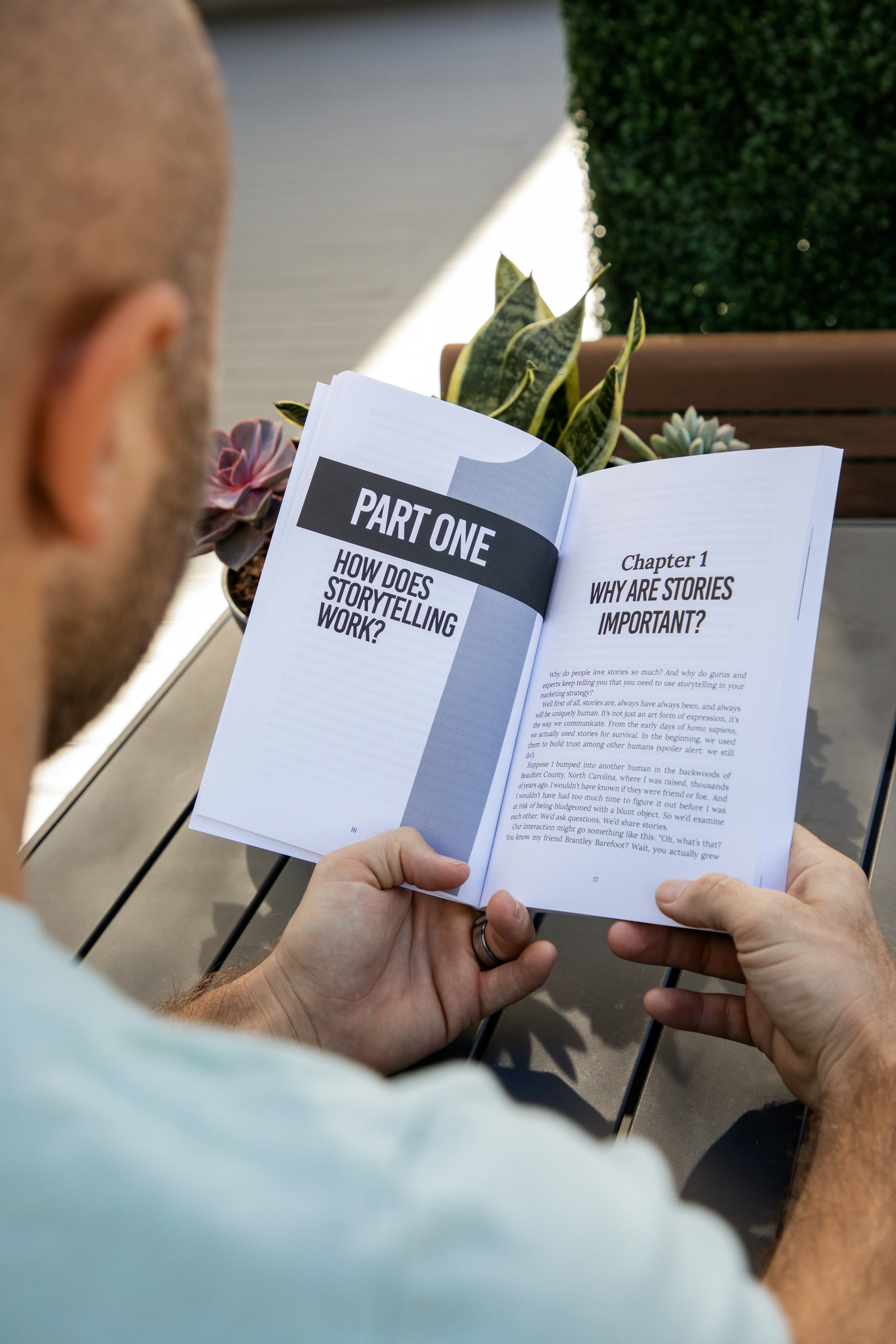
Introduction to Open-Ended Storytelling
Open-ended storytelling is a narrative technique that intentionally leaves certain questions unresolved, inviting readers and viewers to ponder the implications long after the story has concluded. This form of storytelling is prevalent in various creative mediums, including literature and film, where the absence of a definitive ending serves not only to provoke thought but also to mirror the uncertainties that characterize real-life experiences.
The significance of open-ended storytelling lies in its capacity to reflect the inherent complexity of human life. Unlike traditional stories with neat resolutions, open-ended narratives present scenarios that are rife with ambiguity, thereby enabling audiences to engage with the material more deeply. This strategy allows authors and filmmakers to explore themes that do not lend themselves to simple conclusions, fostering a richer examination of the characters’ motivations, struggles, and the broader societal context.
Emotionally, ambiguity creates a profound impact on audiences. It engages the imagination, prompting readers and viewers to fill in the gaps with their own interpretations and emotions. The tension between what is known and what remains uncertain can evoke feelings of intrigue, discomfort, and connection, effectively resonating with the audience’s lived experiences. This exploration of the unknown often leads to heightened emotional engagement, as it compels individuals to confront their own uncertainties and reflect on their interpretations of life’s unpredictability.
By utilizing open-ended storytelling, authors and filmmakers can foster a dialogue between the narrative and its audiences, transcending the boundaries of traditional storytelling. This approach cultivates a sense of shared exploration, ultimately enhancing the richness of the narrative and deepening the audience’s engagement with its themes and characters.
The Power of Uncertainty in Narrative
The element of uncertainty in storytelling is a formidable tool that captivates readers, prompting them to engage more deeply with the text. This psychological phenomenon invites individuals to confront the unknown and seek meaning amid ambiguity. Uncertainty fuels suspense, propelling audiences to ponder unanswered questions that linger throughout a narrative. When an author deliberately leaves certain aspects unresolved, it not only enhances intrigue but also drives readers to invest their own interpretations and emotions into the story.
For instance, in the realm of literature, a prime example can be found in Franz Kafka’s works, which often explore themes of alienation and existential dread through vague scenarios. The characters’ struggles are reflective of broader uncertainties in human existence, leaving readers pondering the implications well after the last page is turned. Similarly, in film, the ending of Christopher Nolan’s “Inception” leaves audiences questioning the nature of reality. This open-ended conclusion not only stimulates discussion but also allows viewers to derive their own conclusions, thus deepening their engagement with the narrative.
Moreover, in interactive media such as video games, uncertainty can enhance the player’s experience significantly. By presenting players with moral dilemmas without clear right or wrong answers, developers encourage players to reflect on their choices, extending the emotional resonance of the game far beyond the screen. This aspect of storytelling emphasizes how uncertainty provokes thought, generates suspense, and invites audiences to confront their interpretations of narrative outcomes.
The psychological effects of uncertainty transform passive receipt of information into an active dialogue between the reader and the narrative. By leaving questions unanswered, writers can create a rich tapestry of tension that can linger in the minds of the audience long after their engagement with the material has ended.
Key Elements of an Ambiguous Ending
Crafting an ambiguous ending in storytelling involves several critical components that effectively contribute to the overall sense of uncertainty. One of the essential elements is character development. Characters should be complex and multi-dimensional, allowing the audience to engage with their motivations and desires. When a character’s journey is portrayed with nuance, it creates a rich backdrop for an ambiguous conclusion, as viewers are left contemplating the character’s next steps and moral choices.
Unresolved conflicts also play a significant role in enhancing an ambiguous ending. When a narrative leaves certain conflicts open, it invites the audience to fill in the gaps, thereby engaging them on a deeper level. This unresolved tension not only elevates the emotional stakes but also allows for multiple interpretations of the story’s outcome. The audience’s knowledge of the unresolved issues creates a lingering sense of engagement, prompting them to ponder the implications and consequences of the characters’ actions.
Moral dilemmas are another critical component that enriches ambiguity in storytelling. When characters are faced with complex moral choices that lack clear right or wrong answers, it serves to complicate the narrative. Such dilemmas can evoke empathy and provoke thought, leading audiences to reflect on their own values and beliefs. The result is an ending that feels authentic and profound, leaving viewers with a sense of uncertainty about what course of action would be deemed appropriate.
In summary, the key elements of character development, unresolved conflicts, and moral dilemmas are integral in crafting narratives with ambiguous endings. These components not only enhance the sense of uncertainty but also make the story feel impactful and authentic, resonating with the audience well beyond the final moments of the tale.
Techniques for Writing Open-Ended Conclusions
Crafting an open-ended conclusion is an essential tool in storytelling, as it fosters further contemplation and keeps the reader engaged long after they have finished the narrative. One effective technique is to incorporate subtle hints throughout the story. These hints can serve as clues for the reader, allowing them to speculate on possible outcomes without providing definitive answers. When employed thoughtfully, this method creates an aura of mystery that encourages the audience to draw their own conclusions.
Another strategy is to focus on character decisions that are left open to interpretation. This involves placing characters in situations where their choices are complex and multi-faceted, leading to potential paths that aren’t fully explored within the narrative. For example, a character might face a moral dilemma that leaves them at a crossroads, symbolizing the weight of their decision while allowing readers to envision various scenarios based on the character’s possible choices.
Additionally, withholding critical information can be an effective means to achieve an open-ended conclusion. By carefully selecting which details to reveal and which to conceal, authors can create an atmosphere of uncertainty. This approach invites readers to question the reliability of the narrator or the completeness of the story presented. Employing this technique encourages an interactive reading experience where the audience actively engages in piecing together the narrative fragments, prompting them to imagine what could happen next or what may have transpired outside of the story’s constraints.
Finally, open-ended conclusions can also benefit from thematic ambiguity. Allowing themes to remain unresolved provides a rich ground for varied interpretations, enabling each reader to reflect their personal experiences and beliefs back onto the text. By skillfully weaving these techniques into the fabric of the narrative, writers can master the art of ambiguity, leaving stories that resonate and linger in the minds of readers.
Case Studies: Stories that Exemplify Ambiguous Endings
Throughout literature and film, numerous stories have captivated audiences with their ambiguous endings, leaving viewers pondering the meaning long after the credits roll or the last page is turned. A prime example is Franz Kafka’s novella, The Trial, which concludes without resolving the central conflict regarding protagonist Joseph K.’s mysterious charge. This narrative choice not only highlights the absurdity and complexity of the human condition but also questions authority and guilt, inviting diverse interpretations from readers. Kafka’s intentional lack of resolution reflects societal anxieties and encourages deeper engagement with the text.
In cinema, Stanley Kubrick’s film 2001: A Space Odyssey presents an enigmatic conclusion that has sparked varied interpretations since its release. The journey through space culminates in the transformation of the astronaut Dave Bowman into the Star Child, suggesting a rebirth or transcendence. Each viewer’s response to this ending may differ significantly based on individual beliefs and perspectives about human evolution and technology, emphasizing the narrative’s exploration of existential questions. Such ambiguity not only enriches the viewing experience but also challenges the conventions of clear storytelling.
Another remarkable instance can be found in the novel The Road by Cormac McCarthy, which closes with an uncertain yet hopeful ending. While the fate of the characters remains unresolved, the emphasis on survival and the potential for morality amidst desolation acts as a testament to the human spirit. Readers are left to interpret what the future holds for the boy and his journey, which invites introspection and open-ended discussions about the narrative’s implications on resilience and hope.
These case studies exemplify how ambiguous endings resonate deeply with audiences, fostering various interpretations and discussions. The unresolved plot points serve not merely as narrative devices but also as reflections on life’s inherent uncertainties, thereby expanding the boundaries of conventional storytelling norms.
Reader Response: Interpreting the Unresolved
Ambiguity in storytelling serves as a fertile ground for diverse interpretations among readers. Each individual brings unique perspectives, shaped by their personal experiences, cultural backgrounds, and emotional states, allowing them to extract various meanings from an ambiguous ending. This multifaceted nature of ambiguity not only enhances a narrative’s depth but also stimulates rich discussions within audiences.
When a story concludes in uncertainty, it often prompts readers to reflect on their own lives and experiences. For instance, a character’s ambiguous fate may resonate differently with someone who has faced similar life challenges compared to a reader who has not experienced such situations. This personal connection fosters a deeper engagement with the narrative, prompting readers to contemplate and discuss the potential implications of the unresolved plot threads.
Moreover, ambiguity invites readers to explore the themes of the story on a more profound level. Different individuals may focus on varying aspects such as moral dilemmas, existential questions, or emotional conflicts. Consequently, a single narrative can inspire multiple discussions, each reflecting the distinct viewpoints of its audience. As readers share their interpretations, they contribute to a collective understanding of the story, enriching the overall dialogue surrounding it.
In essence, the role of personal experience in interpreting ambiguous endings cannot be overstated. This element allows readers to see themselves within the narrative, fostering a connection that can lead to more thoughtful and meaningful conversations. While some may appreciate concrete resolutions, others find value in the open-endedness of ambiguous stories, leading to a broader appreciation for the art of storytelling itself. Readers thus become integral to the narrative process, shaping and reshaping meanings that resonate long after the story concludes.
The Role of Ambiguous Endings in Genre
Ambiguous endings have become a hallmark of various narrative forms, particularly influencing the emotional impact and thematic richness within numerous genres. Each genre employs ambiguity in distinct ways to enhance viewer engagement and provoke thoughtful reflection. In mystery novels, for example, an ambiguous ending allows readers to piece together clues and explore multiple interpretations, keeping them invested in the nuances of the narrative. A classic instance is found in Agatha Christie’s works, where the resolution often leaves room for speculation regarding the true motives or the nature of justice itself.
Horror films and literature also capitalize on ambiguity, utilizing it to instill fear and provoke a sense of unease. A well-crafted ambiguous ending in horror allows the audience to wrestle with the unknown, often leading to lingering dread long after the narrative concludes. For instance, films like “The Others” or “Hereditary” leave viewers questioning the reality of events, turning ambiguity into a device that amplifies horror and suspense.
Romantic narratives tend to harness ambiguity to evoke emotional resonance, particularly when the outcome of a relationship remains uncertain. By leaving the ending open to interpretation, such stories allow the audience to project their hopes or fears onto the characters’ futures. Classics like “Before Sunrise” embody this concept as the unresolved relationship between the protagonists invites reflection on love’s complexities and uncertainties.
In speculative fiction, ambiguity serves to challenge societal norms and stimulate philosophical inquiries. Works by authors like Philip K. Dick often end without clear resolutions, prompting readers to reflect on themes of identity, reality, and morality. The open-ended conclusions invite varied interpretations, ensuring that the narrative lingers in the reader’s mind well beyond the final page.
Crafting Your Own Ambiguous Ending
For aspiring writers, the challenge of creating an ambiguous ending can serve as an exciting opportunity to stretch creative muscles and explore narrative possibilities. To craft your own ambiguous conclusion, begin by defining the core themes of your story. What unanswered questions linger in the minds of your characters? How might these questions resonate with your readers? Consider using prompts such as: “What if the main character made a different choice at the story’s climax?” or “How would the narrative change if the setting were altered?” These questions can inspire unique narrative directions while allowing ambiguity to flourish.
Next, focus on the emotional resonance of your ending. Ambiguous conclusions often elicit strong feelings from readers, whether it’s curiosity, confusion, or a sense of unresolved tension. To achieve this effect, think about how the character’s journey can remain open-ended, leaving room for interpretation. For instance, you can end with a moment of decision that is not clarified, prompting the reader to ponder what might come next. You may choose to incorporate flashbacks or symbolic imagery that enrich the emotional landscape of your conclusion, enhancing its ambiguity.
However, while crafting ambiguity can be rewarding, there are common pitfalls to avoid. Strive to ensure that your ending does not feel abrupt or haphazard; it should align with the overall narrative arc. Additionally, be wary of obscuring clarity entirely; some elements of the story should be resolvable, even if the ending remains uncertain. Balancing these aspects is key to creating an engaging ambiguous ending that leaves your readers contemplating long after they turn the final page.
Conclusion: Embracing Uncertainty in Storytelling
In the realm of storytelling, the ability to embrace uncertainty holds a significant place, as it fosters deeper engagement and reflection. By incorporating ambiguity into narratives, writers are not only challenging themselves to think creatively but also inviting readers to delve into a world of multiple interpretations. This approach cultivates an environment where the unexpected flourishes, enhancing the overall richness of the narrative. Open-ended stories often stimulate dialogue among audiences, encouraging them to share their diverse perspectives and experiences.
For writers, stories that leave gaps or unresolved elements can be liberating. Instead of being confined to a linear resolution, authors have the freedom to explore complex themes and characters, allowing them to unfold organically. This space for interpretation not only challenges the writer’s skill but also showcases their mastery in crafting multifaceted narratives. Quite often, readers are left pondering the implications of a cliffhanger or an unresolved plot twist long after the story concludes, and this lingering impact can be powerful.
Readers, too, benefit from engaging with uncertain narratives. The act of piecing together a story enriched with ambiguity can provoke thought and enhance the enjoyment of literature. It urges readers to become active participants, questioning motives, making predictions, and drawing their conclusions about the unfolding story. Ultimately, by embracing uncertainty, both writers and readers contribute to a more dynamic storytelling landscape—one that celebrates the art of leaving room for interpretation.
Thus, stories that embrace ambiguity might not provide clear-cut answers, but they do offer a wealth of possibilities that resonate on various levels, making such storytelling an essential part of literature.