
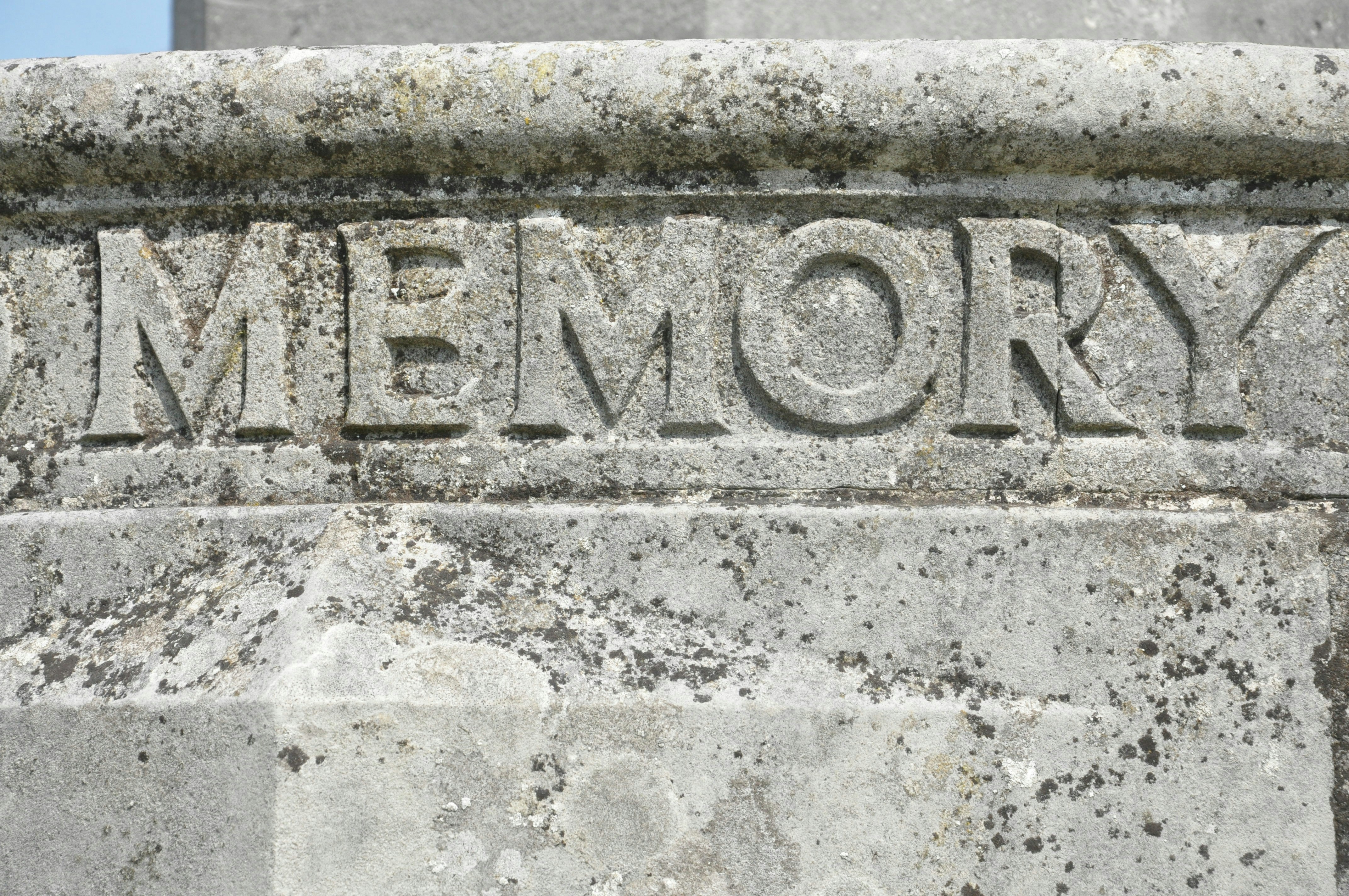
Introduction to Memory and Objects
Memory serves as the vessel through which we experience our past, and it is often inextricably linked to physical objects that surround us. These objects, ranging from childhood toys to family heirlooms, can evoke strong emotional responses, creating a bridge between the present and the times we cherish. The relationship between memory and objects is complex; each item may carry a multitude of meanings and associations that can influence our emotional states and shape our narratives.
When we encounter a particular object, it can trigger a flood of recollections, transporting us back to specific moments in our lives. For instance, a simple photograph can illuminate long-forgotten events, rekindling emotions tied to those experiences. Similarly, a piece of clothing may remind us of a loved one, conjuring feelings of warmth or nostalgia. In this way, the value of an object extends beyond its physical form, as it embodies memories that are deeply embedded in our psyche.
In exploring the theme of nostalgia, we can appreciate how objects contribute to our personal growth and understanding of ourselves. They serve not only as reminders of where we come from but also as markers of our evolution over time. As we reflect on our memories linked to these treasures, we gain insights not only into our pasts but also into the identities we have forged through our experiences. Thus, the examination of memory, when paired with the analysis of physical objects, opens a gateway for introspection and understanding.
As we delve deeper into this exploration, we will soon introduce a particular object that embodies this powerful connection, serving as a catalyst for our subsequent discussion on memory, nostalgia, and personal growth. Through the lens of this item, we will further examine how memories can shape our present selves.
Present Day: The Character’s Current State
The central character finds themselves in the midst of an ordinary life, defined by a sense of stagnation and unfulfilled potential. Each day unfolds with a striking resemblance to the last, as they navigate through routines that offer little excitement or inspiration. A job that once sparked enthusiasm now feels more like a burden, contributing to an overwhelming sense of dissatisfaction. The character trudges through deadlines and meetings, feeling increasingly disconnected from the aspirations they once held dear.
Emotionally, they are in a fragile state, alternating between moments of quiet reflection and bouts of anxiety about their future. This internal conflict is compounded by a lingering sense of regret and lost opportunities, leading to a deep-seated belief that happiness is perhaps beyond their reach. Interactions with friends and family are often superficial, leaving the character feeling isolated, as they struggle to articulate their feelings. Their social circle, which used to be a source of joy, now mirrors their own lack of fulfillment, reinforcing the cyclical nature of their discontent.
Yet, amidst this mundane existence lies a glimmer of hope—a simple object that carries the weight of memories long forgotten. This object serves as a tangible reminder of a past rich with emotions and experiences that define their true sense of self. Each encounter with this relic forces the character to confront their memories, providing a potential doorway to change. As they begin to explore these intertwined past and present narratives, the possibility of transformation emerges, suggesting that the power of remembrance may offer a new direction and purpose in their life.
The Object Revealed: A Catalyst for Memory
In the midst of modernity, one might stumble upon an object that serves as a profound conduit to the past. In this narrative, the object in question is an intricate locket, tarnished with age yet undeniably elegant, crafted of silver and adorned with delicate engravings. Its surface catches the light in soft glints, hinting at the tenderness once associated with it. The locket is a significant artifact, symbolizing a cherished bond from the character’s past, and holds within it a small photograph—an imprint of a happier time, invoking nostalgia with every glimpse.
The character discovers the locket while cleaning out an old family heirloom box, an act prompted by a life-altering event that pushes them to confront their history. As they run their fingers over the worn surface, a wave of emotions surges through them, and memories previously buried begin to awaken. This seemingly simple object becomes a catalyst for deep reminiscence, bridging the gap between the present and the character’s formative years. Each detail of the locket—the coolness of the metal, the faint scent of lavender, and the intricate design—elicits specific memories, drawing the character into a vivid recollection of beloved faces and shared moments.
The locket thus embodies both personal history and familial connection, serving not only as a physical relic but also as a metaphorical key to understanding long-lost relationships. Its significance is amplified by the character’s current struggles, as they search for meaning in their present life, making the act of reminiscing both cathartic and illuminating. The object illuminates how one tangible item can encapsulate a wealth of memories, effectively acting as a doorway through which the character navigates their emotional landscape, enhancing the richness of their narrative journey.
Journey Back in Time: The Memory Emerges
As the gentle light beams through the dust-laden window, a seemingly insignificant object—a well-worn leather wallet—sits on the wooden table, quietly whispering tales of the past. This wallet, with its peeling edges and faded initials, serves as a portal to a vibrant tapestry of memories. It was a chilly autumn afternoon when I first held this object in my hands. The scent of earth, rich and damp from the recent rain, filled the air as golden leaves danced around us, tumbling softly to the ground.
My grandfather, a man of few words yet immense wisdom, was with me that day at the old park. He had just returned from the market, his arms laden with fresh produce and a colorful bouquet of flowers. As we sat side by side on the weathered bench, he retrieved the wallet, opening it to reveal a collection of faded photographs and yellowing letters. The wallet had seen so much; its threads carried whispers of countless stories, laughter, and even a few tears.
One particular photograph caught my eye—a sepia-toned image capturing a family gathering from decades gone by. In the center, my grandmother grinned widely, her laughter echoing through time, illuminating the faces of all who gathered around her. With a gentle nudge, my grandfather began to recount the day, describing the outrageous jokes, the delicious pie his mother had baked, and the warmth of family bond that had woven them together. His voice, rich with nostalgia, transformed the mere presence of that wallet into a vessel of vivid memories, igniting emotions that felt almost tangible.
The afternoon sun dipped lower, casting long shadows, yet the stories continued to flow, drawing me deeper into a world where time seemed to stand still. In that moment, the wallet was no longer just an object; it became a bridge to my roots, illuminating the importance of familial connections and the moments that shape who we become.
Exploring the Impact of the Memory
Revisiting an old memory can significantly shape an individual’s personality, decisions, and relationships. Memories are not merely fragments of the past; they are powerful influences that often inform how a person interacts with the world around them. The process of reminiscing about a particular experience, especially one triggered by a simple object, can unveil layers of complexity in a person’s character that influence present behaviors and choices.
When a character reflects on a poignant memory, the emotions tied to that recollection can shed light on motivations behind current decisions. For instance, an individual who recalls the warmth of family gatherings every holiday may approach their relationships with a deep yearning for connectivity and togetherness. This emotional resonance often leads to behaviors that prioritize family involvement or community building, illustrating how revisited memories can shape contemporary actions.
Moreover, the ways in which these memories echo throughout a person’s life can reveal the innate connections to people and places that have affected their outlook. For instance, the impact of a childhood object, such as a favorite toy or a cherished family heirloom, can invoke reflections on security, joy, or loss, thereby highlighting aspects of the present personality. A character who associates their formative years with uncertainty may find it difficult to trust or foster close relationships due to the echoes of those formative memories. Such patterns demonstrate how the reverberations of the past can manifest in current interactions.
Understanding the influence of a memory allows for a more profound comprehension of a character’s essence. The intertwining of past and present showcases the ongoing journey of self-discovery, inevitably guiding one’s growth while shaping their identity. Through these echoes of memory, both the character’s experiences and choices become clearer, thus contributing to a richer narrative of their ongoing life story.
Intertwining Past and Present
The intricate relationship between our past and present often shapes our identities, influencing choices and aspirations. The character’s journey reveals a profound contrast between their earlier self—marked by innocence and untainted dreams—and the more complex individual they have become through their experiences. As they navigate the tapestry of their life, echoes of past joys and regrets resurface, prompting introspection about how unresolved emotions shape their current choices.
In moments of reflection, the character examines pivotal events from their past, highlighting how those experiences laid the groundwork for their present demeanor and decision-making processes. The joyous recollections serve as a bittersweet reminder of what once was, sparking a longing for simpler times, while the weight of unresolved issues creates a tension that can tether them to the past. For instance, an object—a family heirloom—can invoke warm memories of childhood, yet simultaneously remind them of familial disputes left unaddressed, illustrating the duality of memory.
Furthermore, the character’s perception of themselves evolves over time, influenced chiefly by lessons learned from both triumphs and failures. In their youth, they may have viewed life through an idealistic lens, while the harshness of reality forces a reassessment of those beliefs. This can lead to a newfound resilience, enabling them to make more informed choices, even when tinged with the sadness of what they have lost or left behind.
Ultimately, examining how the character intertwines their past with the present allows for a richer understanding of their emotional landscape. As they confront these lingering shadows, they navigate a path toward personal growth, one that honors their past while shaping a more authentic future.
A Turning Point: Choosing to Remember or Forget
The act of remembering is often not just a passive recall of events, but a complex psychological process imbued with emotional weight. When a character is confronted with a memory, they face a pivotal choice: to embrace the feelings associated with that memory or to attempt to bury them. This choice can significantly influence their psychological state and behavior moving forward.
Embracing memories can lead to a richer understanding of oneself and provide a pathway for healing. By reflecting on the emotions tied to specific events, individuals can gain insights into their fears, desires, and motivations. This process of reminiscing can foster resilience, enabling them to confront difficult emotions and reshape their identity in a more positive light. The act of remembering can serve as a catalyst for personal growth, leading to increased emotional intelligence and improved coping strategies.
Conversely, the decision to forget can be equally compelling, especially when faced with painful or traumatic recollections. Attempting to suppress these memories may provide immediate relief from emotional discomfort. However, this suppression often comes at a cost. Psychological research indicates that unresolved emotions may resurface, leading to anxiety, depression, and maladaptive behaviors. The act of forgetting in this context often becomes a continual struggle, as buried emotions may manifest in unhealthy ways, ultimately impacting relationships and overall well-being.
Thus, the choice between remembering and forgetting carries substantial implications for one’s mental health. It not only shapes individual coping mechanisms but also influences how one navigates their relationships and interacts with the world. Understanding this dynamic allows individuals to make informed choices regarding their emotional journeys, fostering a healthier relationship with their memories.
The Resolution: Acceptance and Growth
As the narrative unfolds, the character reaches a pivotal moment characterized by acceptance of their past. This critical resolution marks a significant shift from a painful memory to an empowering life lesson. By confronting the past, the character learns that memories, while sometimes encapsulated in pain, can ultimately serve as catalysts for personal growth. This transformative process allows them to understand that their experiences, both positive and negative, contribute to their identity.
The journey towards acceptance necessitates an exploration of the emotions tied to these memories. Initially, the character may grapple with feelings of regret, sorrow, or anger; however, through this introspection, they begin to recognize the importance of forgiveness—both for themselves and for others involved in their past. This form of emotional release not only liberates them from the bonds of their previous hurt but also ignites a new perspective on their life journey.
As the character embraces their past, they begin to realize that memories need not solely evoke feelings of sadness or loss. Instead, they can embody lessons learned, resilience demonstrated, and strength gained through adversity. Acceptance signifies not merely understanding what has occurred but rather integrating these experiences into a coherent narrative of one’s life. This newfound comprehension facilitates a deeper understanding of the self, highlighting the character’s evolution from a passive recipient of memories to an active architect of their own narrative.
Ultimately, the character’s growth leads to a profound realization: their identity is not defined by traumatic experiences but rather shaped through the resolve to rise above them. Such realizations challenge the notion of one’s past being shackled by memories, instead positioning it as a valuable archive of strength and wisdom. In this way, acceptance fosters a proactive approach to life, enabling an invigorating embrace of future possibilities.
Conclusion: The Lasting Effects of Memory
Throughout our exploration of memory and its relationship with objects, we have witnessed how seemingly insignificant items can evoke profound reflections on our past. Memory is an omnipresent force in our lives, guiding our identities and shaping our perceptions of experiences. As seen through the character’s journey, each object serves as a portal, transporting them back to moments that define who they are today.</p>
Objects act as tangible reminders of our history, encapsulating emotions and experiences that contribute to our personal narratives. When we encounter an item entwined with our memories, it often unlocks the depth of our feelings, bridging the gap between the past and the present. This phenomenon illustrates the potent influence of memory on our emotional wellbeing and personal development.
Considering this, it becomes clear that the art of reminiscing is more than just a nostalgic endeavor; it is a crucial process in understanding ourselves and fostering growth. As we navigate through life’s transitions, the memories triggered by certain objects enable us to reflect on our journeys, giving us insights into our choices and transformations over time.
In essence, the lasting effects of memory are omnipresent, influencing our relationships, experiences, and overall perspectives. Every object carries a story—whether it’s a beloved childhood toy or a family heirloom—each representing a slice of our existence. These narratives serve as a reminder of where we have been, thereby shaping our aspirations for the future. Ultimately, we can conclude that memory, through the lens of objects, not only enriches our lives but also serves as a crucial mechanism for understanding ourselves and those around us, offering a path toward personal evolution.